
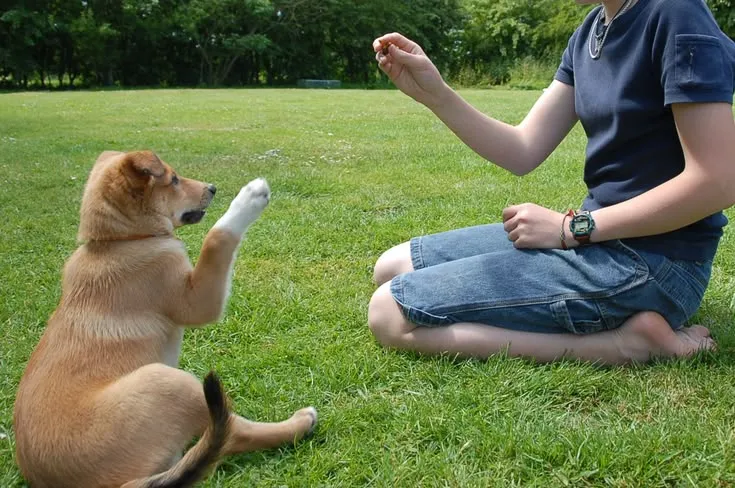
Choosing a dog obedience training program is not merely about training the dog to sit, stay or come. With good training, owners can develop more effective communication and establish routines that are effective. The program should be well structured and take into account the dog’s age, personality, learning speed, environment and the owner’s objectives and also be practical enough for continued training at home.
Start With Clear Goals
The first step in a valuable training program is to determine the desired improvements for the owner. Some families might benefit from having more attention given to them during walks, and other families may prefer more subdued greetings when visitors come to their home. Others may just be hoping for more robust table manners and basic obedience.
Easy to organize training refers to setting clear goals. Owners don’t have to work on a large number of skills; a few behaviors that are very important in their daily routine can be practiced. This can then slowly build up as the dog gets used to each exercise.
Learn Through Consistent Practice
Repeat and clear feedback are the keys to a dog’s learning. Dog training lessons can be used to teach new exercises in a controlled environment, but practicing them at home is also crucial to making an exercise a habit.
Short sessions may be more convenient to fit into a daily routine. A few minutes of practice before a walk, during a quiet afternoon or before mealtimes can be good opportunities for learning regularly. It is important to stick to the same format in each session so that the dog does not become a regular visitor to the training session.
Expect Individual Adjustments
All dogs are different and learn at their own rate. It’s possible a young puppy won’t have as long a focus span as an older dog, or that an older dog may already know some of the cues and just need more practice with more powerful distractions. The speed at which a dog takes to an exercise depends on a variety of factors, such as energy, motivation, past experiences and home environment.
A quality program should not be one set program as a result. Training activities may be modified depending on the dog’s reactions. When an exercise is difficult, if the dog is having trouble, you can simplify the exercise or remove some of the distractions.
Practice Around Distractions
A dog can do great in the living room, but may not do so if a squirrel runs by or another dog walks by on the walk. This is an expected development of effective skills. The game adjusts the difficulty.
Owners can slowly add distractions to the situation instead of jumping right into the busiest environments. Gradual difficulty and/or challenging distractions can help dogs learn to pay attention in various contexts over time.
Build Better Walking Skills
Walking is helpful to practice obedience away from home. Owners will be able to practice attention, calm movement, stopping, turning and cue response with the dog when they smell and see various things.
Not all walks need to be a formal lesson for a good training program. If you can practice for a few minutes, then it can help reinforce good habits. Owners should also consider giving their dog some time to sniff and explore, to maintain balance and make walks more enjoyable.
Involve The Whole Household
When everybody expects the same things with regard to training, it becomes easier to maintain training. Allowing a behavior by one family member and discouraging it by another can send mixed messages to the dog.
Agreements between family members are possible as to simple cues, boundaries, rewards and routines. This will make everyday interactions more predictable, and provide the dog with more information as to what each person expects.
Conclusion
The best obedience classes provide skills that owners can carry on beyond the end of a class. Rest practice at home to apply learning to everyday events such as meeting guests, sitting down at the table, waiting by the door and following cues during walks. Owners who seek some organization can use caninemoxy.com as a professional dog training site. Obedience work can be a part of daily life if you practice it, have realistic expectations and communicate clearly.
