
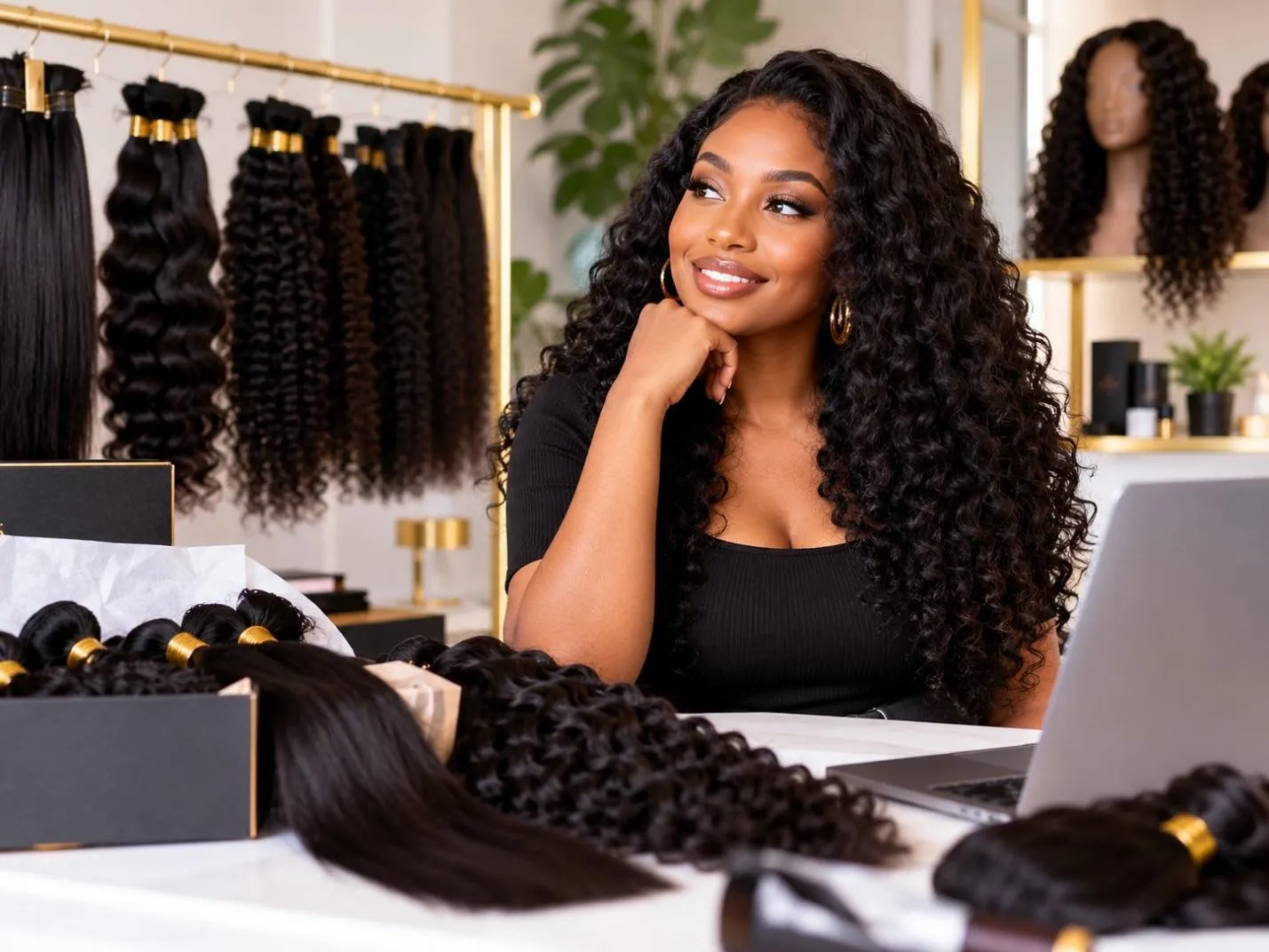
The beauty industry is creating room for businesses that understand a simple truth: customers want products designed for their actual lifestyles, not just passing trends. For women with curly, coily, and textured hair, that often means extensions that blend convincingly, offer styling flexibility, and make daily routines easier. This shift presents an interesting opportunity for entrepreneurs, salons, manufacturers, and online retailers. Rather than competing solely on price or dramatic transformations, companies can build stronger businesses around thoughtful product development, helpful education, and dependable customer experiences. The challenge is identifying where shoppers still feel overlooked and turning those unmet needs into lasting value.
Textured Hair Is Becoming a More Specialized Market
Natural curls and coils vary widely in pattern, density, shrinkage, and finish, so one universal extension texture rarely satisfies everyone. That diversity gives Natural Hair Extensions Brands opportunities to serve shoppers looking for a closer match to their own hair rather than a generic curly option. Businesses that understand these differences can develop more focused collections, from softly defined curls to fuller, tighter coils and realistic blowout textures.
Product specialization also changes how companies communicate value. A customer comparing extensions may care about the appearance of the roots, how the hair behaves after washing, or whether the ends look naturally tapered. Clear photographs, accurate descriptions, and realistic styling demonstrations can answer those questions before a purchase. That clarity reduces uncertainty and gives smaller brands a way to compete through expertise rather than advertising budgets alone.
Customer feedback can guide these decisions. Reviews, salon consultations, returns, and frequently asked questions often reveal gaps that sales figures cannot explain. If shoppers repeatedly ask for a particular density or shorter length, that information may support a carefully tested new offering instead of an expensive, broad product launch.
Convenience Creates Room for New Product Categories
Textured and natural hair customers are not all looking for permanent installations. Some want occasional volume for work events, while others prefer low-commitment styling during busy weeks. That flexibility creates demand for formats such as clip-ins, closures, wigs, and other removable solutions. For businesses, the opportunity lies in offering choices that address specific routines rather than presenting every format as interchangeable.
For instance, a shopper researching the Best Clip In Hair Extensions For Black Women may be looking for a natural-looking match that can be installed and removed at home. A useful product page should explain texture compatibility, how many pieces may be needed, and how to secure the clips without unnecessary tension. Educational details like these help customers choose confidently and can distinguish a brand from sellers relying only on attractive photographs.
Companies can also organize collections around use cases:
-
Everyday flexibility: Easy-to-use pieces for temporary fullness or length.
-
Protective styling: Options that help reduce frequent manipulation when installed and maintained appropriately.
-
Salon services: Professional formats that support customized application.
-
Special occasions: Versatile styles suitable for events and photography.
Each category offers opportunities for complementary accessories, tutorials, and personalized guidance. However, a larger catalog is not automatically a better one. Testing a few clearly differentiated products can protect cash flow and make inventory management more predictable.
Trust and Customer Education Support Sustainable Growth
In an online marketplace filled with similar claims, credibility is a practical business asset. Shoppers want to know what they are buying, how to maintain it, and what results to expect. Companies that describe their sourcing and quality standards accurately, explain the difference between curl types, and disclose realistic maintenance needs can build confidence without exaggerated promises.
Education can extend beyond a product page. Short videos showing a texture in natural light, straightforward washing instructions, and demonstrations on different hair densities all help buyers understand whether a style suits them. Retailers can collaborate with experienced stylists to produce useful resources while gaining insight into installation concerns and recurring customer questions.
Operational consistency matters just as much as storytelling. Reliable stock information, clear return policies, responsive support, and transparent shipping updates can turn a first purchase into a repeat relationship. Businesses should measure outcomes such as repeat purchase rates, product returns, customer satisfaction, and the profitability of individual categories, not only social media reach.
There are also opportunities for strategic partnerships. Independent stylists can introduce specialized products to clients, while salons may benefit from access to training materials and dependable inventory. These relationships work best when both sides understand product limitations and customer expectations.
Key Business Takeaways
The opportunity in textured extensions is not simply about adding more styles to an online store. It comes from recognizing that customers have different hair characteristics, budgets, schedules, and installation preferences. Companies willing to listen closely can identify promising niches, test products at a manageable scale, and improve the shopping experience with clear information.
For entrepreneurs evaluating their next move, a focused strategy is often more sustainable than rapid expansion. Start with a well-defined customer need, validate demand through genuine feedback, maintain realistic quality claims, and strengthen the service behind every order. Businesses that combine product relevance with trust and operational discipline are better positioned to build lasting relationships in a competitive beauty market.
